Running a small business in the UK today isn’t the same as it was five or even three years ago.
Customer expectations have evolved, competition has intensified, and brands that once felt fresh can now appear outdated.
Whether you run a local café in London, a salon in Manchester, a bakery in Bristol, a boutique in Brighton, a plumbing service in Leeds, or a small dental clinic in Birmingham — your brand is often the first thing people judge before they even walk through your door.
Think about the last time you walked down a UK high street. Some shops instantly catch your eye with appealing signage, modern colours, a clean tone of voice, and a brand that feels current. Others look outdated or confusing, and you walk straight past. That first impression matters — research shows that people form an opinion about a brand within seconds.
For small businesses, your brand acts as your storefront — both online and offline. If it doesn’t reflect who you are today, the value you provide, or the experience customers can expect, they may overlook you, even if your product or service is excellent.
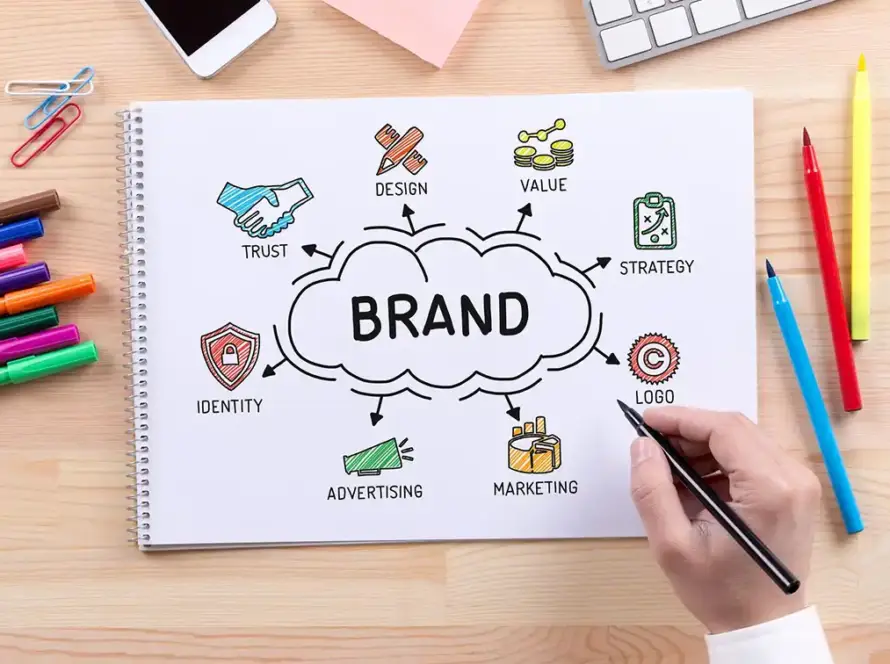
This is where rebranding comes in. It’s not just about changing your logo or fonts; it’s about reshaping how people perceive your business so your brand stays relevant, trustworthy, and aligned with your vision. A strong, modern brand can help a small business attract better customers, stand out locally, increase confidence, and grow faster.
Many UK small businesses consider rebranding when:
- The business has grown but the brand still looks small or homemade
- They want to attract a new audience or higher-value customers
- The logo, colours, or brand visuals feel outdated
- Competitors look more modern and professional
- They want to raise prices or reposition as a premium brand
- Their services or offerings have changed
- They’re struggling to stand out in a crowded local market
A thoughtful rebrand can refresh your identity, rebuild customer perception, and strengthen your reputation — ultimately transforming how people feel about your business before they even experience it.
What Is Rebranding?
Rebranding is the process of updating or completely transforming your business’s brand identity. It involves rethinking the way your business looks, sounds, and feels to your customers — with an aim to improve recognition, trust, and connection. At its core, rebranding is about creating a brand that better represents who you are today, not who you were when you first started. Rebranding can include changes to:
- Brand name and tagline (if needed)
- Logo and brand colours
- Typography and visual identity
- Brand messaging and tone of voice
- Website, packaging, signage, and marketing materials
- Customer experience and brand personality
Brand Refresh vs Full Rebrand
Not every business requires a complete transformation. Sometimes, a refresh is enough.
| Brand Refresh | Full Rebrand |
|---|---|
| Small updates to modernise the brand | Complete brand transformation |
| Keeps the same name and logo style | May change name, logo, colours, message, and reputation |
| Ideal when brand looks dated but still relevant | Ideal when business has evolved or old brand is limiting growth |
Small UK businesses often start with a brand refresh to modernise their look and improve customer appeal. However, if your business has outgrown its old identity or your brand holds you back, a full rebrand offers a clean and powerful restart.
Find the Rebranding Services for UK Small Businesses
What Are Rebranding Services?
Rebranding services are professional services provided by branding experts or agencies to help businesses strategically upgrade or rebuild their brand. For UK small businesses, these services are tailored to suit realistic budgets and practical needs.
Here’s what rebranding services typically include:
Brand Audit & Research
A thorough review of your current brand to understand perception, strengths, weaknesses, and customer sentiment. This includes analysing competitors within your local area, market positioning, and opportunities for improvement.
Brand Strategy & Positioning
This step defines who you are as a brand, your values, your ideal customer, your market position, and what makes you different. It ensures your rebrand is strategic, not just visual.
Brand Messaging & Tone of Voice
Crafting a consistent and clear message that speaks to your customers. This includes:
- Tagline
- Brand story
- Tone of voice (friendly, premium, playful, expert, etc.)
- Key customer messages
Visual Identity Redesign
This is what most people think of when they hear the word “rebrand”, but it’s only one part. It includes:
- New or updated logo
- Updated colour palette and fonts
- Brand graphics, icons, and imagery style
- Packaging and print materials
Marketing & Brand Collateral Design
Applying your new identity across essential brand touchpoints such as:
- Business cards, menus, leaflets
- Uniforms, signage, packaging
- Vehicle branding (for trades, delivery services, etc.)
Digital Rebranding
In B2B, thought leadership builds authority. When your brand shares insights, research, or case studies that solve real problems, you become more than a vendor — you become a partner.
Brand Guidelines
A simple brand book that explains how to use your brand consistently — essential to keep your new identity strong and professional across all platforms.
Types of Rebranding
Rebranding does not look the same for every small business. There are different levels depending on your goals, budget, and reason for rebranding.
✅ Brand Refresh
Suitable for businesses that simply need a more modern, appealing look. It keeps the essence of your brand but upgrades the visuals and communication.
Example: A café updates its logo, menu design, signage, and colour palette to look fresh and Instagram-friendly.
🧩 Partial Rebrand
A step deeper than a refresh — both visuals and messaging get updated while keeping the brand’s core identity. Ideal when your audience or service offering evolves.
Example: A bakery that now offers vegan and gluten-free options updates brand messaging and design to attract a broader, health-conscious audience.
🔁 Full Rebrand
A complete brand transformation, including values, identity, positioning, name, visuals, and messaging. This is recommended when your old brand is outdated or no longer relevant to your business direction.
Example: A local beauty salon repositions itself as a premium spa and wellness studio with a full new identity.
🧠 Strategic Rebrand
Focuses less on visuals and more on changing brand perception, purpose, experience, and emotional connection. Often used to reposition a business in the market — for example, budget to premium.
Benefits of Rebranding for Small UK Businesses
Rebranding can have a powerful impact on growth, customer experience, and business reputation. Here’s how it benefits small local businesses in the UK:
2. Stand Out from Local Competitors
Many small businesses in the UK look similar. A well-defined brand ensures you don’t blend in, but stand out visually and emotionally.3. Attract Better-Quality Customers
If your current brand image feels budget or outdated, rebranding can help you reposition and attract higher-value customers who appreciate quality.
4. Build Customer Trust and Loyalty
A consistent and polished brand builds credibility, making people more confident to buy from you.
5. Support Business Growth and Expansion
If you plan to add new branches, expand to new cities, or launch online services, a strong and scalable brand identity is key.
6. Improve Online Presence
A rebrand with updated digital identity boosts engagement, social sharing, and customer inquiries.
7. Boost Word-of-Mouth and Referrals
People love recommending businesses that look great, feel modern, and deliver a memorable experience.
Rebranding Checklist for UK Small Businesses
Here’s a simple checklist to help you decide if you’re ready to rebrand:
- Does your current brand feel outdated or inconsistent?
- Do you struggle to stand out against local competitors?
- Has your service, audience, or pricing changed?
- Do customers misunderstand what you offer or your value?
- Is your branding inconsistent online and offline?
- Does your business look different across signage, social media, and printed materials?
- Do you want to attract new or higher-value customers?
- Are you expanding, relocating, or updating your services?
Find the Rebranding Services for UK Small Businesses
The Rebranding Process (Step-by-Step)
A well-structured rebranding process ensures you get results that last. Here’s a simple and clear step-by-step process suitable for UK small businesses:
Step 1: Brand Audit & Discovery
Review your current brand performance through:
- Customer feedback
- Local competitor analysis
- Current brand message and visuals
- Online and offline presence
- Strengths, weaknesses, and improvement areas
Step 2: Brand Strategy & Positioning
Define your brand’s foundation:
- Mission, vision, values
- Target audience and customer profile
- Unique selling points
- Brand personality
- Market positioning (budget, mid-range, premium)
Step 3: Brand Messaging & Story
Create your communication identity:
- Tagline
- Brand story
- Tone of voice
- Customer promise
Step 4: Visual Identity Design
Develop the visual expression of your brand:
- Logo and colour palette
- Fonts and typography
- Graphic elements and imagery style
Step 5: Brand Collateral & Design Applications
Roll out the identity across:- Signage, uniforms, menus, packaging
- Business cards, documents
- Social media and digital assets
Step 6: Digital Rebranding
Ensure consistency online through:- Website redesign
- Social media branding
- Google Business Profile and directory listings
Step 7: Brand Launch
Introduce the new brand to your audience:- Online announcement
- Posters and in-store communication
- Email newsletters and social media rollout
Step 8: Monitor & Improve
Collect feedback, track response, and refine as needed.
How to Find the Best Rebranding Specialist in the UK
✅ Look for:
- Experience with UK small businesses
- A complete service (strategy + design + digital)
- Clear process and timelines
- Case studies or portfolio
❓ Ask Before Hiring:
- What does the rebranding process include?
- How do you handle brand strategy?
- Will you provide brand guidelines?
🚩 Avoid If:
- They focus only on logos
- No discovery or brand audit process
- No experience with small business branding
How Much Does Rebranding Cost in the UK?
Typical price ranges for UK small businesses:
| Rebrand Level | Estimated Cost |
|---|---|
| Brand Refresh | £800 – £2,500 |
| Partial Rebrand | £2,500 – £6,000 |
| Full Rebrand with Strategy | £2,500 – £12,000 |
| Full Rebrand + Website | £2,500 – £20,000 |
Common Mistakes When Rebranding
Avoid these mistakes:
- Rebranding without customer research
- Changing only the logo
- Copying competitors
- No launch strategy or explanation
Conclusion
Rebranding gives your business the opportunity to evolve, modernise, and connect with today’s customers.
It helps small UK businesses appear more professional, build trust, and stand out in competitive markets.
Whether you need a simple refresh to modernise your look or a full rebrand to reposition your business, an effective rebrand can transform the future of your business.
At Upclues, a leading Rebranding Agency in London, we combine strategy, creativity, and clarity to help brands reinvent themselves and grow with confidence.